
Campaign Crisis - Fix the Brand Workshop
- Robin Brino
- Apr 12
- 3 min read
Has a brand’s campaign ever rubbed you the wrong way? Left you with a distaste in your mouth? This could be a brand you once loved - or a brand you’ve never heard of until their spotlighted campaign. Brands are continuously launching new promotion strategies to elevate their brand image and keep up with the market demand. Yet sometimes, a brand's campaign may receive severe backlash from an audience, sparking negative attention and controversy in the media. How does this leave consumers feeling? What should a marketing or PR team do in this situation?
In today's workshop, the American Marketing Association dove into two real-world campaign crises that have rattled the current media. Led by VP of events Hamilton Gonzales, members explored ways to go about fixing the brand’s campaign messaging and the implications of controversial messaging.

Campaign Crisis Deep Dive
The first campaign members explored was American Eagle’s “Sydney Sweeney Has Great Genes” campaign. Released in July 2025, the ad sparked immediate backlash due to its perceived promotion of eugenics and allusion to white supremacy. After watching the advertisement together, members shared how the ad made them feel. Members shared how they felt “uncomfortable” or “disappointed”. Considering Sydney Sweeney’s male-centric fan base in the media, members mentioned how leveraging her physical appearance as means to promote “good genes” excludes American Eagle’s diverse consumer base, reinforcing harmful stereotypes.

The second crisis AMA dove into was Bud Light’s Ad released in July 2023 featuring transgender influencer Dylan Mulvaney. The brand received sharp criticism from its large conservative base, resulting in boycotts and negative videos toward their products. At the same time, many consumers, particularly the LGBTQ+ community, were hurt by the backlash toward a campaign that aimed to promote inclusivity. This example raised important questions about how brands should navigate polarized public backlash.

Members broke off into two groups, playing the role of a marketing team dealing with the aftermath of the controversy. Moving forward, should American Eagle remain silent? Come out with a statement? Fix their campaign and messaging? Should Bud Light change retract from their partnership?
Key Takeaways
After brainstorming ideas for the best way to go about the crisis, important insights were shared. A recurring thought was the idea that releasing a statement must be executed with caution, as a brand’s credibility can diminish by simply “taking back” their messaging. Remaining silent can allow the campaign’s impact to blow over, however leave a lasting distaste in consumers. Launching new campaigns can help reframe their messaging - but can be costly. There are many elements to consider when dealing with backlash, but it is ultimately up to the brand and what they strive to convey.
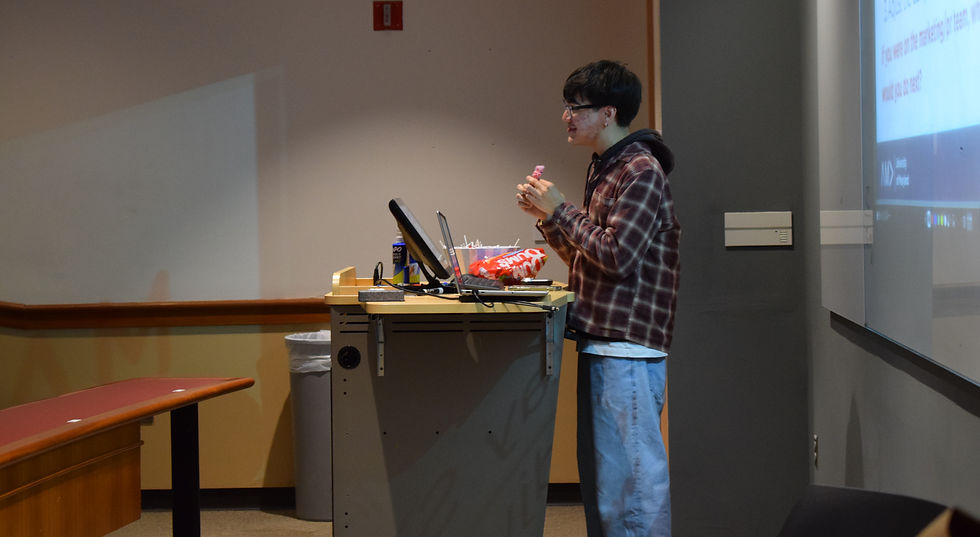
After wrapping up with a group discussion, we concluded that while not every consumer will perceive an advertisement in the same way, campaigns that promote a more inclusive society are ultimately more impactful from our marketing perspective. These types of messages not only resonate with a broader audience but also reflect the values many brands strive to uphold today. We’d also like to give a special shoutout to Hamilton for organizing such an engaging event and sharing valuable insights that guided our discussion! Thank you for your time and dedication!


Comments